Lesson 7. Fact Checking and Verification Tools
Section outline
-
-
Introduction
In today’s fast-paced digital world, misinformation and disinformation spread very fast, making it crucial to develop skills in fact-checking and information verification. The ability to critically go through news and data is essential for everyone, from journalists and educators to everyday users of media. Fact-checking and verification tools will explore key tools and resources, effective techniques for verifying sources and common pitfalls to avoid when doing fact-checking.
Tools and resources for fact-checking
Various tools and platforms have been developed to help with fact-checking, many of which are freely accessible. These resources are designed to verify the authenticity of news, images and other media:
Google Fact Check Explorer: This tool compiles fact-checks from reputable sources across the web, allowing users to search for claims and see how they have been evaluated.
Snopes: One of the most well-known fact-checking websites, Snopes specializes in debunking myths, urban legends and viral information.
PolitiFact: PolitiFact provides detailed fact-checking on political statements, grading them on a "Truth-O-Meter" to show how accurate they are.
FactCheck.org: A non-partisan, non-profit organization that provides in-depth analysis and debunks false political and public policy claims.
TinEye: A reverse image search tool that helps verify the origin of an image, which can be useful in identifying manipulated or out-of-context visuals.
InVID: A browser extension that helps verify videos and images from social media by checking for manipulation, original sources and whether the media is misleading.
These tools are essential in combating false information and helping people stay informed with facts. Familiarity with these platforms enables users to perform quick fact-checks before sharing or relying on information.
Techniques for verifying sources and informationIn addition to using specific tools, there are several techniques that can enhance the factchecking process. These techniques can be applied to text, images, videos and other forms of media:
Cross-referencing with reputable sources
Always verify a claim by consulting multiple trustworthy sources. Reliable sources include established news outlets, highly reviewed journals and official reports from reputable organizations. For example, if you encounter a claim about a new medical discovery, consult websites like the World Health Organization or PubMed to confirm the legitimacy of the information.
Reverse image search
Images are often misused or taken out of context to mislead viewers. By using tools like Google reverse image search, you can trace an image back to its original source and determine whether it has been altered or changed to exhibit false information.
Check metadata
For verifying videos or images, checking the metadata (information like location, time and date of creation) can help. FotoForensics, for instance, can analyze image metadata to detect potential changes.

Assessing source bias and credibility
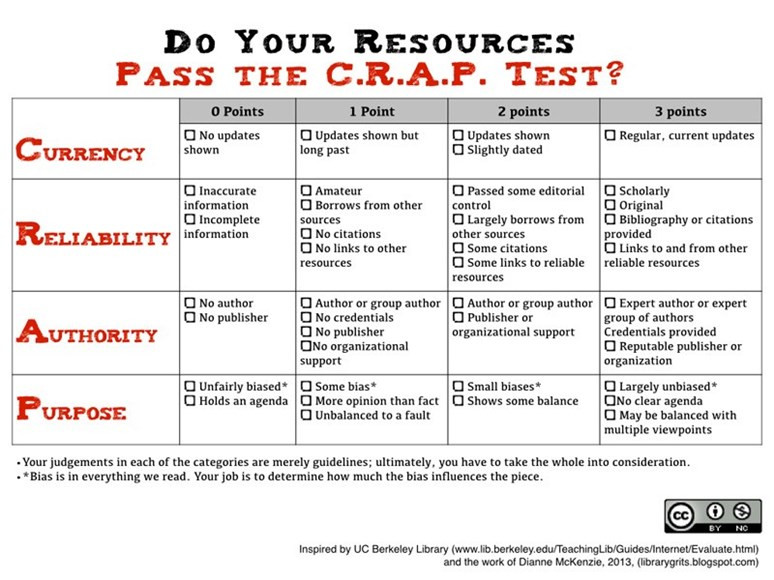
Understanding the bias or reputation of a source is vital. Websites like Media Bias/Fact Check provide an analysis of a source’s political leaning, factual reporting record and transparency. This allows you to see whether a source is likely to present information accurately or was it changed due to bias.
Common pitfalls in fact-checking
While fact-checking is an invaluable skill, there are several common mistakes people make when verifying information. Understanding these pitfalls can help ensure more accurate assessments:
Confirmation bias
People often seek out information that supports their pre-existing beliefs, a phenomenon known as confirmation bias. To avoid this, actively search for opposing viewpoints and challenge your assumptions.
Over-reliance on one source
Relying on a single source for fact-checking, even if reputable, can lead to incomplete or wrong results. Always check information with multiple sources to ensure its accuracy.
Misinterpretation of satire or parody
Satirical news websites like The Onion or The Borowitz Report often produce exaggerated or fabricated stories for comedic purposes. Fact-checkers should be aware of these sources to avoid misinterpreting satire as legitimate news.
Ignoring context
Even factual information can be misleading if taken out of context. Always consider the broader context in which a statement or statistic is made. For instance, a report on crime rates might sound alarming, but it’s important to check over what time frame and under what circumstances those rates were recorded.
In the 21st century where information is increasingly accessible yet frequently unreliable, the importance of fact-checking and verification cannot be overseen. By utilizing the right tools, applying critical techniques and being aware of common pitfalls, individuals can develop strong fact-checking skills. These skills not only help in debunking fake information but also contribute to a more informed and discerning society.
-
Please find here the PowerPoint presentation for Lesson 7, entitled Fact-checking and Verification Tools.
-
- Websites for Fact-Checking – this Research Guide is loosely adapted from a guide developed by the Research Center at the CUNY Graduate School of Journalism.
- Tools That Fight Disinformation Online – The RAND Corporation's "Tools That Fight Disinformation Online" page provides a searchable database of 82 tools designed to combat online disinformation, including bot detection, credibility scoring, and educational resources.
- Google News Initiative – The Google News Initiative is a global effort by Google aimed at supporting journalism and combatting the spread of misinformation. It provides resources, tools, and funding to support news organizations, improve media literacy, and promote the development of high-quality journalism.
-
Practise your knowledge about fact checking and verification tools with this short, 10-question quiz.
-
Curriculum File PDF
In today’s digital age, misinformation and disinformation spread quickly. It's vital to have the ability to critically analyze and verify information, especially for journalists, educators, and everyday media users. This lesson plan will focus on tools and techniques for effective fact-checking and verification, along with common pitfalls to avoid. Participants will gain hands-on experience using resources to verify claims, images, videos, and sources, fostering informed and responsible media consumption.
-