Lesson 9. Youth Media Activism
Section outline
-
-
Introduction
Youth activism has been a powerful force for social change throughout history, and in the modern era, it has taken on new forms with the advent of digital technology. This lesson provides a brief definition of youth activism, its main forms, key recent examples, its challenges, especially regarding recent technology and social networks, and its overall importance in society. In addition, the lesson discusses the findings from the latest ADMe group research in Vienna showing that social media enhances informed decision-making only for individuals with well-developed political awareness, critical thinking, and prior mastery of traditional media and research skills. In conclusion, while social media offers vast opportunities for youth activism, its role is dual-edged. The lesson concludes with the discussion whether social media activism can deepen or impede our political and informational awareness, and how to use its full potential through mastering not only new technologies, but also critical media literacy and active engagement.
Youth Activism: A Definition and Its Impact
Youth activism is the active participation of young people in efforts to promote social change. It spans a wide range of activities, including protests, advocacy campaigns, raising awareness, civic engagement, and volunteering. While often associated with public demonstrations, youth activism also includes subtler forms of involvement like education initiatives and skill-building for civic participation. The definition has evolved over time to encompass diverse approaches to fostering active citizenship.
Youth activism is vital for societal progress. Young people bring fresh perspectives, energy, and commitment to addressing social issues. Their involvement helps shape future leadership and sustains democratic participation. As scholar Ron Kassimir highlights, the condition of youth directly influences society’s aspirations and challenges, underscoring the significance of their activism.
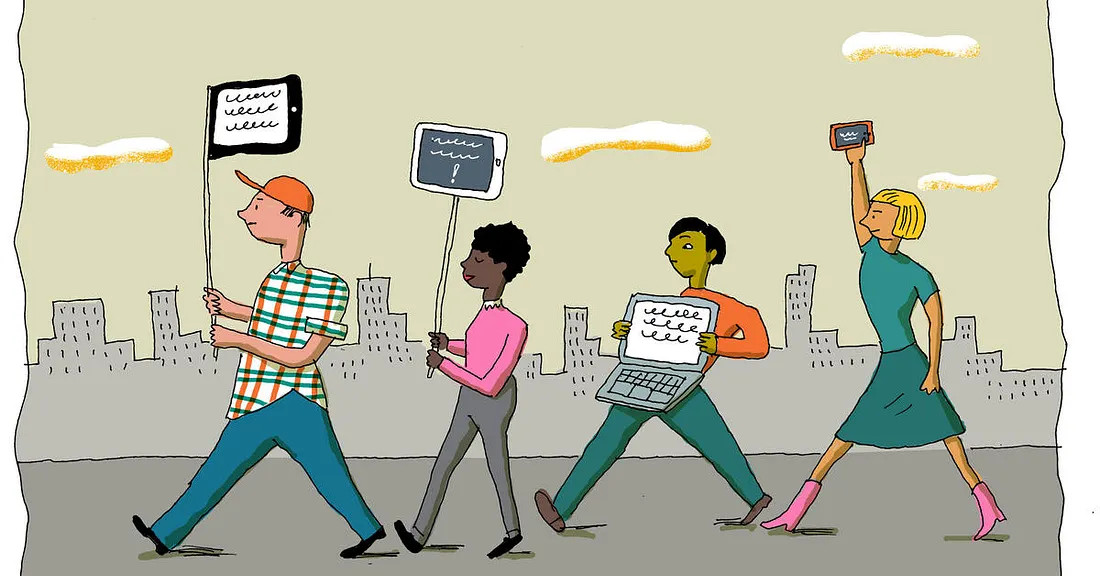
The digital age has transformed youth activism by providing new tools for engagement, such as social media. However, it also presents challenges like sustaining long-term commitment, addressing the digital divide, and countering government surveillance. Despite these obstacles, young activists continue to harness digital platforms to amplify their voices and drive change.
As future leaders, it is essential for young people to embrace activism, recognizing its potential to address 21st-century challenges and shape a better world for their communities and beyond.
The Influence of Social Media on Shaping Our WorldSocial media significantly shapes our world, a claim well-supported by real-life events in the UK and the US—Brexit and Donald Trump’s electoral victories. These examples demonstrate how social media platforms have become crucial tools for influencing public opinion and political outcomes. Cambridge Analytica played a crucial role in both the Brexit referendum and Donald Trump’s election by leveraging Facebook data to target undecided or disengaged voters through highly personalized online campaigns. Their strategies mobilized passive individuals in Brexit and suppressed potential votes for Hillary Clinton in the U.S., significantly influencing both outcomes.
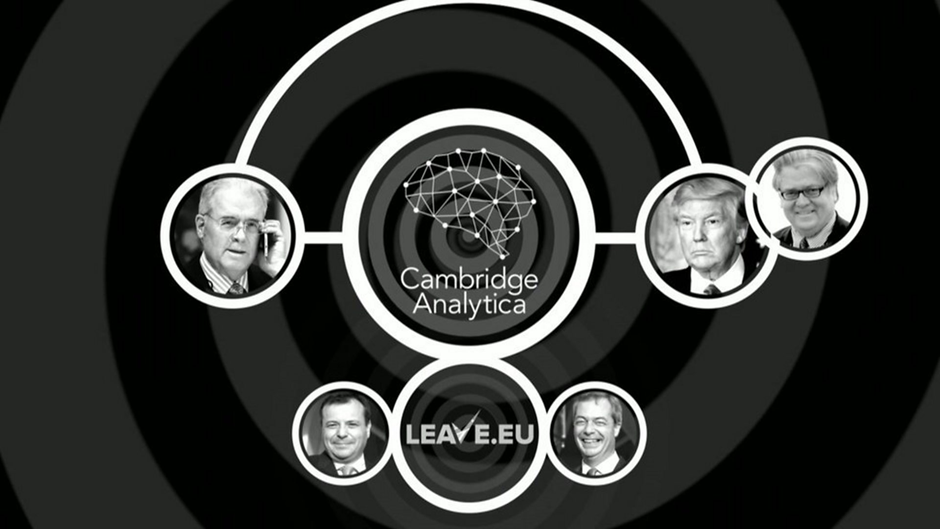
Source: BBC.
More information about this case is provided in a short video produced by the BBC
More recently, the role of social media in shaping political narratives was evident in Elon Musk’s involvement during the latest elections. Using his platform, X (formerly Twitter), Musk amplified misinformation, including a falsified video about Kamala Harris, which garnered between 120 and 130 million views. While Musk claimed to have simply reposted the video, he failed to clearly label it as fake, leaving many viewers unaware of its inaccuracy.These cases highlight the immense power of social media in influencing decisions on contentious issues. However, this does not imply that society has entered an Orwellian dystopia where opinions are effortlessly manipulated. Deeply held beliefs, such as opposition to capital punishment or preference for democratic systems, remain resistant to external influence. Yet, for undecided or controversial topics—such as voting preferences or public health policies—social media provides a vast arena for political manipulation.
The conclusion is clear: social media plays a significant role in shaping public opinion and political landscapes, even in well-established democracies. This raises critical questions about the ethical use of such platforms and the need for safeguards to protect public discourse from undue manipulation.
Youth Activism and Social Media
The widespread adoption of social media is a recent phenomenon, with platforms like Facebook, YouTube, and TikTok emerging within the last two decades. Understanding their long-term effects requires time, but some patterns are already evident.
A report from the European Commission highlights that young people now spend significant time online, relying on social media, particularly private messaging platforms like Instagram and Messenger, as their primary news source. However, over 40% of youth encounter fake news daily, with few verifying the accuracy of such information. Many lack media literacy, making them susceptible to misinformation and manipulation.
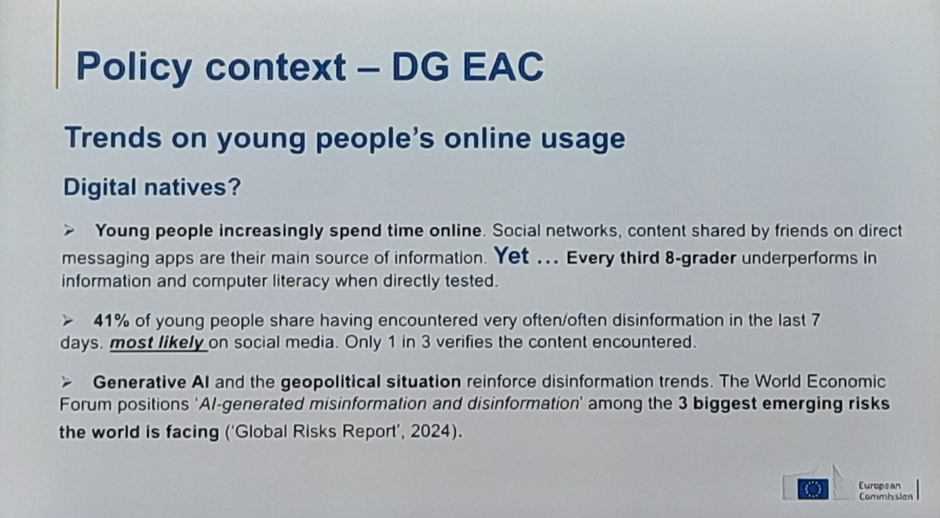
This trend has led some to predict dystopian outcomes: a society of politically apathetic, easily manipulated individuals controlled by elites using technology. Historical comparisons highlight the contrast with past eras of youth activism, such as the civil rights movements or anti-war protests of the 1960s. Critics argue today’s youth are more self-centered and less civically engaged.Others challenge this view, suggesting youth activism has evolved. Instead of traditional participation, young people engage through social media, volunteer work, and non-traditional movements. Platforms like Facebook and Twitter offer tools for activism, but sustaining long-term engagement remains a challenge. While a minority leverage social media to enhance political awareness, most fall into entertainment-focused or passive usage, limiting its positive impact.
Social media platforms have become vital tools for youth activism, offering unprecedented opportunities for civic engagement and political mobilization. However, their effectiveness remains debated. Studies reveal that young people use platforms like Facebook and Twitter to facilitate activism, yet maintaining long-term engagement and motivation proves challenging.
Facebook and Twitter play distinct roles in activism. Facebook often serves as a hub for creating groups focused on specific causes. However, sustaining the interest of members over time remains difficult. Twitter, by contrast, promotes broader interaction with users discussing a variety of topics. This dynamic fosters momentary engagement but does not always translate into tangible change, often limiting activism to symbolic or superficial levels.
The Arab Spring is a prominent example of how social media can drive youth activism. Beginning in 2010, this wave of protests and revolutions reshaped the Middle East. Young activists used platforms like Facebook, Twitter, and YouTube to organize demonstrations, raise awareness, and exchange information in countries such as Tunisia and Egypt. These platforms circumvented state censorship, enabling mass mobilization. Attempts by governments to block internet access—such as Tunisia's website restrictions and Egypt's five-day internet blackout—only strengthened the resolve of protestors.
Despite this potential, social media use has significant limitations. Research from the ADMe group in Vienna highlights that most young people use social media primarily for entertainment, with fewer engaging with political content. Politically active users often already possess a developed sense of political awareness. In contrast, most youths without such a foundation fall victim to algorithms that create "filter bubbles," restricting them to narrow, repetitive, and often biased information.
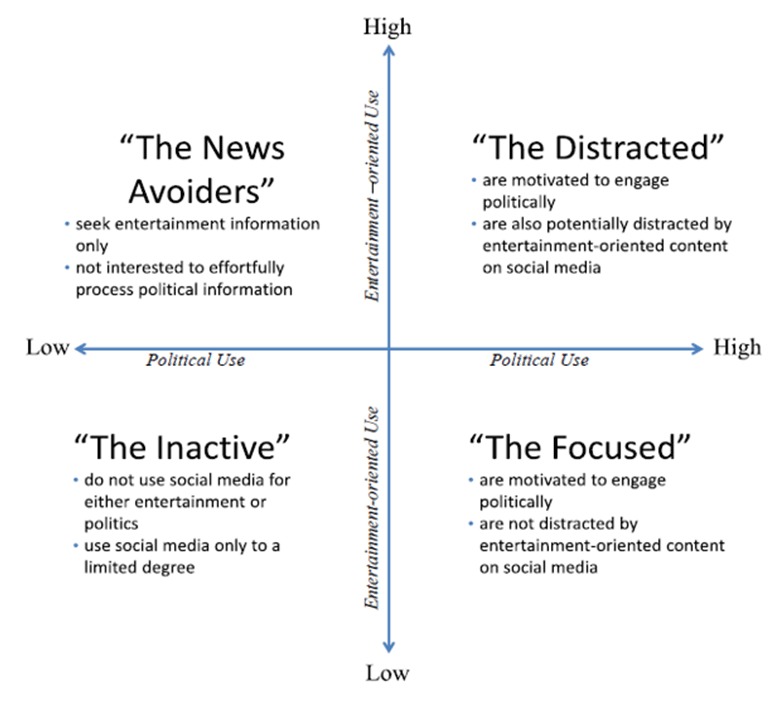
A typology of users based on the two dimensions entertainment-oriented use and political use of social media
This phenomenon complicates the development of critical thinking among young users. Instead of fostering informed engagement, social media often contributes to superficial understanding and the spread of misinformation. Only those equipped with skills to critically analyze and seek out diverse sources of information can harness social media for meaningful learning. For others, these platforms can lead to intellectual stagnation, reinforcing simplistic views and discouraging deeper political awareness.
The overall impact of social media on youth activism is thus mixed. While these tools have the potential to transform engagement, their effectiveness largely depends on the user's prior knowledge and skills. The analogy of a Hilti screwdriver aptly illustrates this dynamic: a powerful tool can only be effective if the user knows how to operate it. For the majority of young people, who lack adequate "training" or experience, social media often serves as an obstacle rather than an enabler of political empowerment.
In conclusion, while social media offers vast opportunities for youth activism, its role is dual-edged. It can either deepen political and informational awareness for a minority of informed users or contribute to intellectual insularity and superficiality for the majority. Harnessing its full potential requires not only access to technology but also critical media literacy and active engagement with diverse perspectives.
-
Please find here the PowerPoint presentation for Lesson 9, entitled Youth Media Activism.
-
Here are a few relevant examples of Youth Media Activism with links to concrete examples of how youth have utilized media, particularly social media, for activism in recent years:
- Arab Spring and Social Media – an overview of how social media was used during the Arab Spring uprisings.
- Occupy Wall Street Movement – a Guardian article explaining how young activists used social media to organize and spread the Occupy movement.
- Black Lives Matter – an article from the Pew Research Center website discussing how youth activists have used social media to amplify the Black Lives Matter movement.
- Climate Change Activism – explores how young activists like Greta Thunberg have used social media to raise awareness about climate change.
- #MeToo Movement – examines the role of social media in spreading the #MeToo movement, which was largely driven by young activists.
-
Practice your knowledge about Youth Media Activism by taking this short, 10-question quiz.
-
Curriculum File PDF
This lesson plan explores youth activism and how it evolved in the digital age. It provides an overview of youth activism, its main forms, recent key examples, and the role of social media in shaping political awareness and growing larger engagement. Students will examine the nature of digital activism such as its benefits and challenges and assess the impact of media literacy on how youth can make informed participation. The goal of this lesson is to strengthen students’ critical thinking and understanding of digital activism today.
-