Lesson 13. Critically Reading Media Messages
Section outline
-
-
Introduction
In a world where media is everywhere, it’s essential to know how to read media messages critically. Whether it’s the news, social media, advertisements, or entertainment, messages are designed to inform, persuade, or even manipulate. This lesson will help you develop skills to understand the motives behind media messages, recognize bias, and evaluate the reliability of information.
Objectives
By the end of this lesson, you will be able to:
- Recognize common signs of bias, manipulation, and unreliable information in media messages.
- Identify and evaluate the reliability of different media sources by analysing their purpose, language, and source credibility.
- Apply practical tools, such as fact-checking websites and reverse image searches, to verify information and assess its accuracy before sharing.
What Does It Mean to Read Media Critically?
Critical reading of media involves:
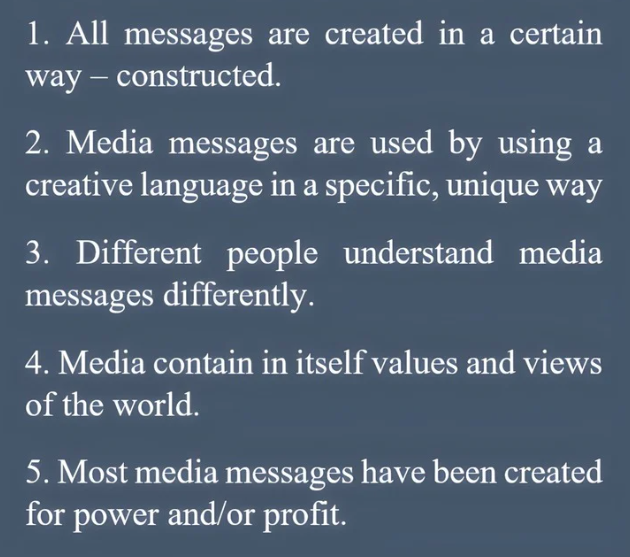
- Identifying Bias: Media messages often reflect the views and priorities of the people or organizations that created them.
- Evaluating Source Reliability: Not all media sources are equally trustworthy. Knowing which sources to trust and which to question is key.
- Recognizing Intent: Ask why the message was created. Is it trying to inform, entertain, sell, or persuade?
Understanding Bias and Agenda
All media messages have a perspective. Understanding the purpose and bias behind them helps you see the whole picture.
Activity: Compare Media Coverage
- Find two articles from different sources about the same topic, such as a recent sports event or international news.
- Analyse: Look at the words used in each article. Are there differences in tone? For example, one article might focus on positive aspects, while the other might highlight negative points.
- Discussion: Talk about how these differences might influence the reader’s opinion. What might each article's goal be?
Example: Suppose a report from a regional newspaper describes an economic policy favourably, while another criticizes it. The words they use – like “successful” vs. “problematic” – can reveal biases.
Identifying Reliable Sources
Not all sources provide accurate information. Some may exaggerate or present information to push an agenda. Knowing how to assess a source’s reliability is essential.
- Look for Authoritative Sources: Reliable sources often come from established news outlets, experts, or government organizations. In the Balkans, sources like reputable newspapers or regional fact-checking organizations, such as Faktograf (Croatia) or Raskrikavanje (Serbia), can help verify information.
- Check for Red Flags: Sensationalism, lack of clear author information, or excessive emotional language can be warning signs of unreliable content.
Activity: Practice Source Analysis
- Pick a news article from a trusted source and one from an unfamiliar website or social media.
- Evaluate: Look for the following in each article: clear author credentials, reputable sources cited, neutral language, and clear dates of publication.
- Discussion: How do these factors affect your trust in each article?
Spotting Clickbait and Manipulative Language
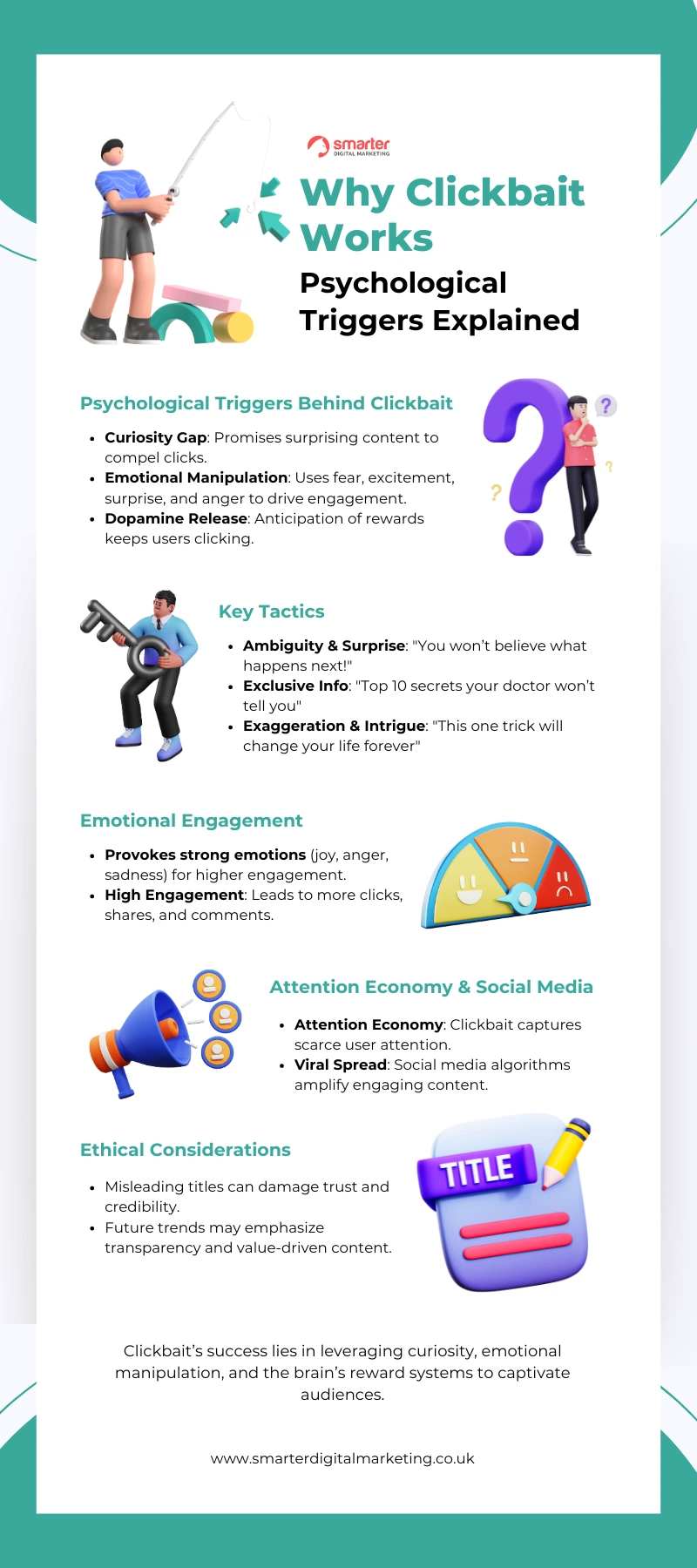
Clickbait uses exaggerated or misleading headlines to attract attention, often prioritizing shock value over accuracy.
Examples of Clickbait:
- “You Won't Believe What This Politician Said!”
- “This Simple Trick Will Change Your Life!”
How to Spot Clickbait:
- Exaggerated Language: Look for phrases like “shocking,” “unbelievable,” or “you’ll never guess.”
- Emotional Triggers: If the headline tries to make you feel shocked or outraged, it might be clickbait.
- Unclear or Vague Titles: Good media titles clearly state what the article is about.
Activity: Identify Clickbait
- Look at a list of headlines and decide which ones are likely clickbait.
- Discussion: How might a clickbait headline influence someone’s perception of a topic?
Practical Tools for Critical Analysis
Here are some questions to ask when you come across any media message:
Who Created This Message? Understanding who made the content can reveal motivations and biases.
- What is the Purpose? Ask whether the goal is to inform, sell, persuade, or entertain.
- What Techniques Are Used? Consider language, visuals, and tone. Are there specific words or images that try to influence you?
- Who Benefits? Think about who might benefit from you believing or sharing this message.
- What Perspective is Missing? Media often leaves out certain perspectives. Ask yourself what viewpoints aren’t included and how that changes the message.
Application: Analysing a Real-World Example
Choose a social media post or article about a trending topic.
Analyse it by answering these questions:- Who created the content, and what might their intent be?
- What language and visuals are used to shape the message?
- What perspectives are included or excluded?
Example: Look at a post from an influencer promoting a product. Is the influencer being transparent about sponsorship? What language or images make the product seem appealing?
Checklist for Critical Media Reading
To help you in daily life, use this checklist whenever you’re reading or watching media:
- Check the source and author: Is this a reliable source?
- Identify the purpose: Is this meant to inform, entertain, sell, or persuade?
- Watch for emotional triggers: Is it trying to make you feel outraged or surprised?
- Look for missing perspectives: Is there a side of the story that’s not told?
- Verify information: Use a fact-checking website or search for additional articles on the topic.
Conclusion
Critical reading is a skill that allows you to navigate the media landscape thoughtfully and independently. By understanding the intent and perspective behind messages, you’ll be better equipped to make informed decisions and avoid manipulation.
- Recognize common signs of bias, manipulation, and unreliable information in media messages.
-
Please find here the PowerPoint presentation for Lesson 13, entitled Critically Reading Media Messages.
-
- How to Read Political News the Right Way – this article from Glamour magazine provides practical advice from experts on consuming political news critically, emphasizing the importance of cross-referencing multiple sources and recognizing emotional triggers in media.
- Reading Media Texts – closer look at media texts in general and at the key concepts that underpin all media literacy. Whenever a media product is being read, discussed, or produced, some aspects of the key concepts, (construction, text, audience and production) should be considered.
- ”Strategies for Critically Analyzing Media Messages" by Fiveable – learn to question assumptions, evaluate evidence, and consider alternative perspectives when examining media messages.
- BBC Media Literacy Strategy – a short document on how to critically analyze and evaluate media content, suitable for learners of all ages.
-
Practise your knowledge about Critically Reading Media Messages by taking this short, 10-question quiz.
-