Lesson 6. Fake News: Disinformation and Misinformation
Section outline
-
-
Introduction
In today’s digital world, distinguishing between fact and fiction is essential. In this lesson, you will learn how to identify “fake news” and understand the difference between disinformation and misinformation. We’ll look at examples and practice skills that help you spot misleading information.
Objectives
By the end of this lesson, you will be able to:
- Define fake news, disinformation, and misinformation.
- Identify examples of disinformation and misinformation.
- Use practical tools to verify information and assess its reliability.
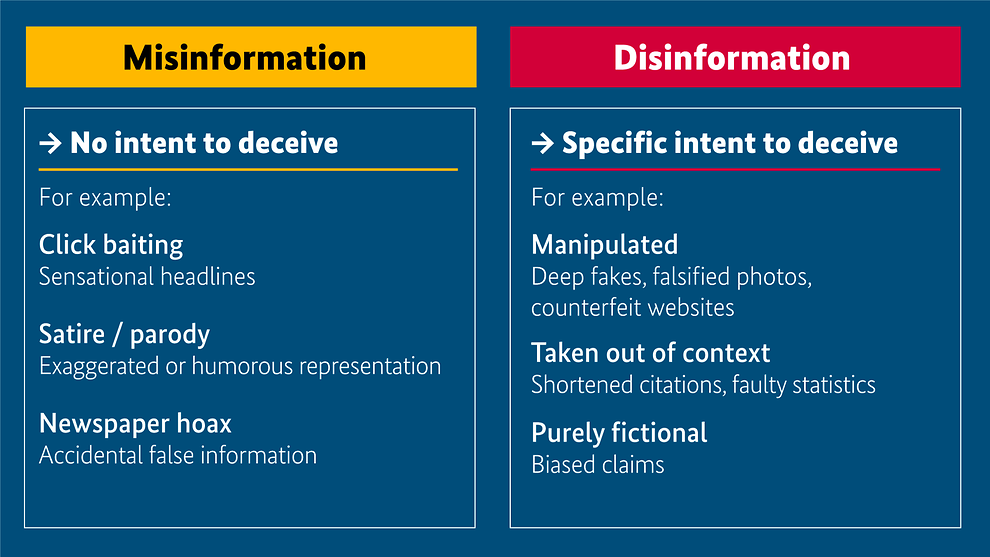
Definitions and Key ConceptsOne of the biggest challenges in today’s information-heavy world is ensuring that what you find is credible. Misinformation and bias are widespread, so it’s crucial to cross-check the facts you encounter. This process involves verifying information from multiple sources to ensure consistency and accuracy.
- Fake News: False information presented as news.
It can be spread through traditional media or social media. - Disinformation: False information that is intentionally created to mislead people.
- Misinformation: Incorrect information that is shared without harmful intent,
usually out of error or misunderstanding.
Example:
Imagine you see a post on social media claiming that a celebrity is quitting their career to start a new business in your country. If this is just a rumour shared without fact-checking, it’s misinformation. However, if someone created the story to promote an unrelated product by using the celebrity’s name, it’s disinformation.
Source: Bundesregierung.de
Why Do People Create and Share Fake News?Fake news can spread for many reasons:
- Financial gain: Some people create fake news to attract clicks and make money from ads.
- Political agenda: Disinformation can be used to sway public opinion or manipulate election outcomes.
- Entertainment or Humour: Satirical news can sometimes be mistaken for real news if not labelled clearly.
Activity:
Think of a recent example where you saw or heard something that turned out to be false. Was it shared intentionally (disinformation) or by mistake (misinformation)? What might have been the reason behind it?
Identifying Disinformation and Misinformation
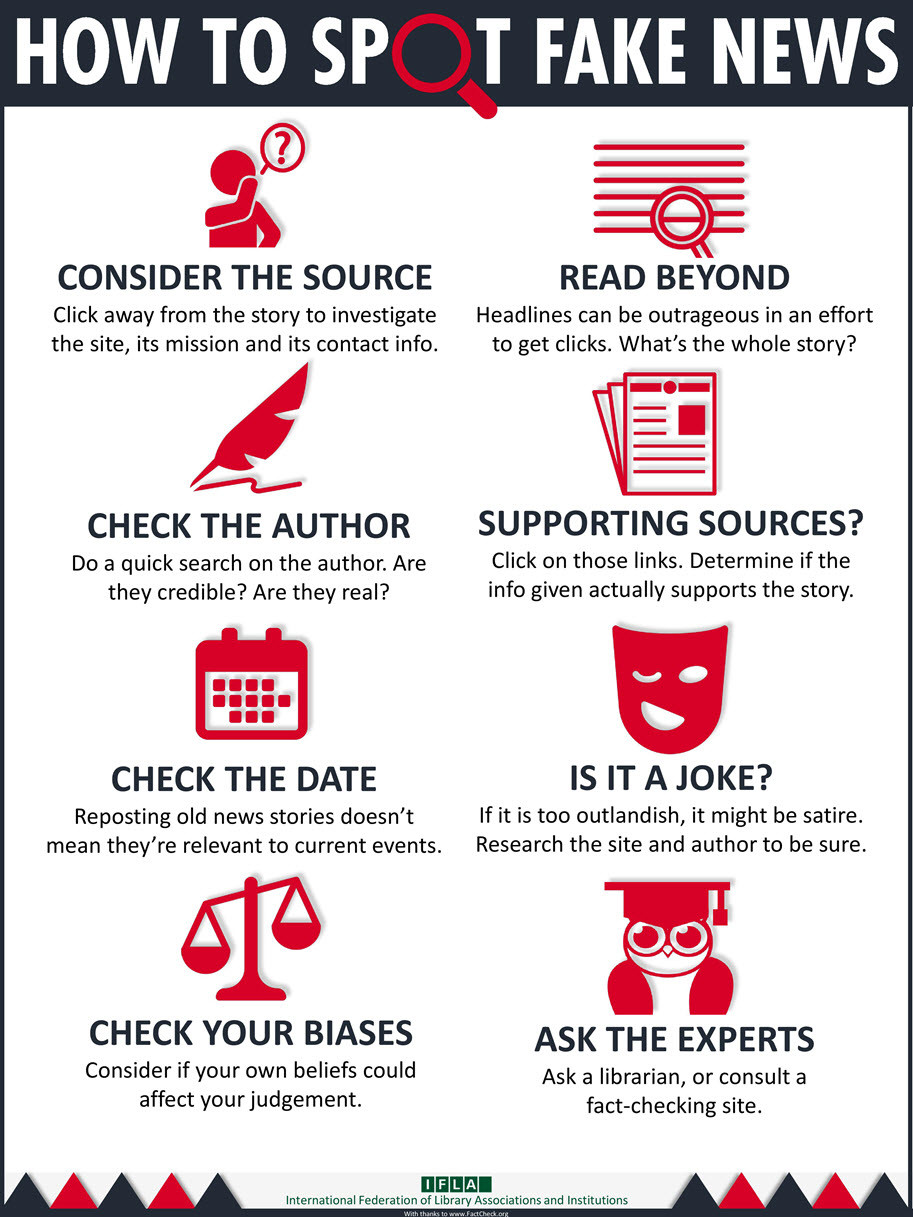
Fake news can be hard to recognize, especially if it’s meant to look like reliable news. Here are some clues:
- Suspicious Sources: Is the information from a well-known and credible source?
Does it come from a source known for spreading sensational or exaggerated news? - Exaggerated Headlines: “Shocking!” or “Unbelievable!” headlines often try to catch your attention, but they’re not always reliable.
- Emotionally Charged Language: Articles that try to make you angry or scared may be using emotion to influence you.
- Lack of Evidence: Reliable news stories will have sources or evidence to back up their claims.
If there’s no evidence, be cautious.
Source: Cornel University Library
Case Study:Consider a recent example from the region: rumours about miracle cures for COVID-19 circulated widely during the pandemic. Many posts on social media claimed that certain foods or supplements could “cure” COVID-19. Often, these claims were disinformation, created by individuals who wanted to sell certain products. Other times, they were misinformation, shared by people who believed in the cure without verifying it.
Practical Tools for Verifying Information
These simple techniques can help you check if information is trustworthy:
 1. Fact-Checking Websites:
- Sites like Faktograf (Croatia) or Raskrinkavanje (Serbia) are useful for verifying news stories and claims.
- Activity: Find a current story online and use one of these sites to check if it’s been verified. What do they say about it?
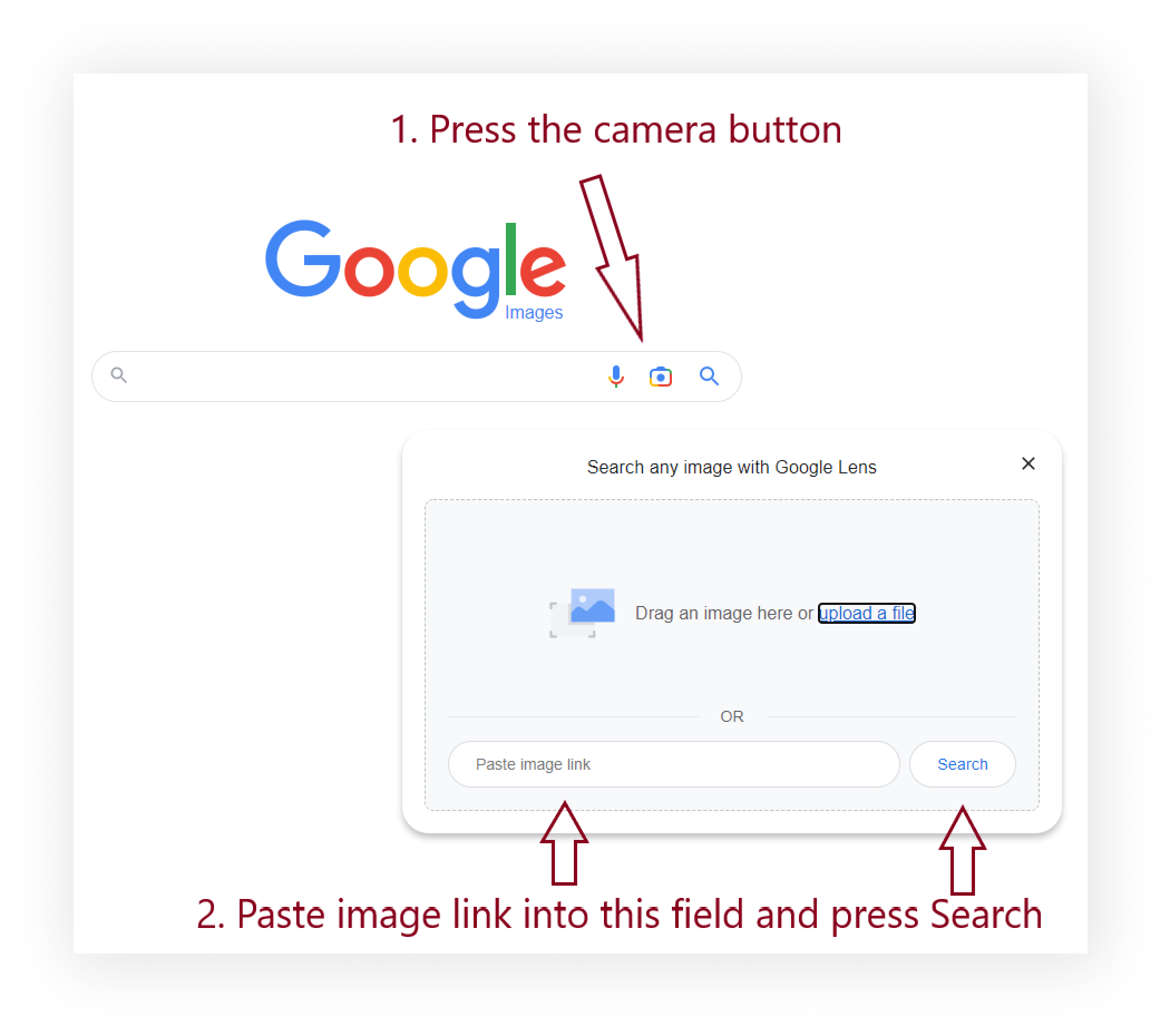
2. Reverse Image Search:
- Fake news often uses misleading images. You can use Google’s Reverse Image Search or TinEye to check if an image has been altered or used out of context.
- Activity: Search for an image you’ve seen in a news post or on social media. Where else does it appear? Is it from the same event, or has it been reused?
3. Source Verification:
- Look for the original source of a piece of information. If it can’t be traced back to a trustworthy source, it might not be reliable.
- Example: If a news story about a public figure has no official statement or link to a credible news outlet, be sceptical.
Final Checklist for Identifying Fake News
Before you believe or share any news online, ask yourself:
- Who is the source of this information?
- Is the headline trying to shock or scare me?
- Can I find this news on other reputable sites?
- Are there sources or evidence to back up the claims?
- Have I verified the information with a reliable fact-checking site?
Using these tools and tips can help you become a more critical and responsible consumer of information.This approach will help you spot fake news, understand the difference between disinformation and misinformation, and protect yourself from misleading information online. Remember, staying informed means staying critical!
-
Please find here the PowerPoint presentation for Lesson 6, entitled Navigating the Maze of Fake News.
-
-
Fake News/Misinformation/Disinformation: How can you identify Fake News? – The Northeastern University Library guide outlines the SIFT method - Stop, Investigate the source, Find better coverage, Trace claims - to help individuals critically evaluate and identify fake news.
- Knowledge Is Power: Fighting Misinformation, Disinformation, and Junk News – The Washington University in St. Louis guide on spotting fake news provides strategies such as verifying authors' credentials, scrutinizing URLs for authenticity, being cautious of sensational headlines, cross-referencing information with multiple sources, and using reverse image searches to assess the credibility of news content.
- Hot Topics: Fake News and Misinformation – The University of Maine in Augusta's guide on identifying fake news provides browser extensions and fact-checking resources to help users discern misinformation online.
- Validity, Credibility, Reliability – The Stanford Law School guide on "Checking your Sources" emphasizes evaluating the validity, credibility, and reliability of research materials by employing methods like the 5W's, C.R.A.A.P., RADAR, and SIFT, while also considering the context and potential biases of each source.
-
-
-